THE NARRATIVE: Sensory-attuned luxury - Q&A with Jee Hoong Tan, hotel manager of Sindhorn Kempinski Hotel Bangkok
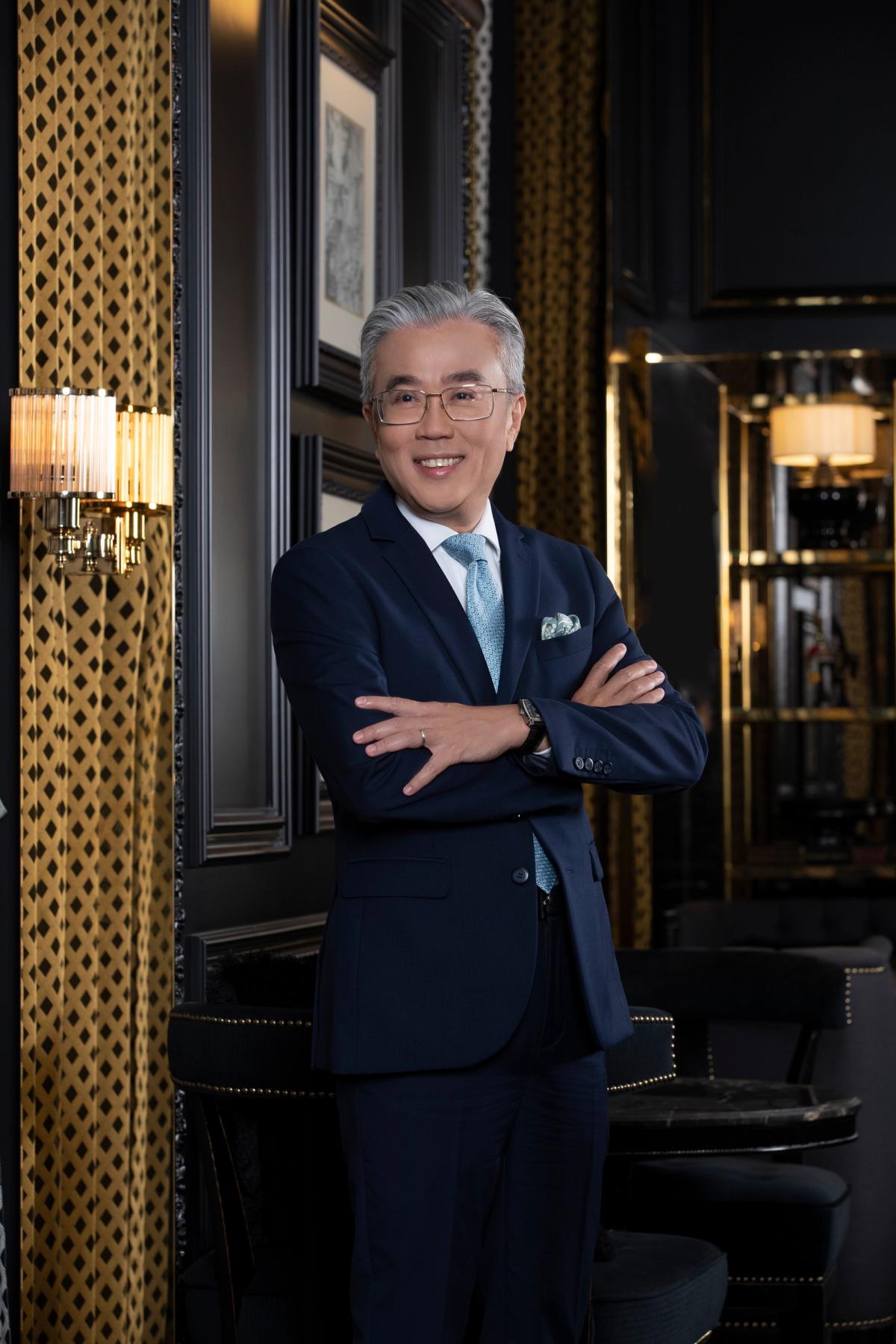
As global travelers recalibrate their expectations of luxury, Bangkok has found itself at the center of a new movement redefining indulgence not by opulence, but by space, stillness and personal comfort. Sindhorn Kempinski Hotel Bangkok opened in 2020 just as the pandemic was reshaping the world. Four years on, it stands as one of the benchmarks of “quiet luxury,” where privacy, wellness and sensory-attuned personalization quietly replace grandeur and display.
AM3NITY speaks with Sindhorn Kempinski Hotel Bangkok’s hotel manager Jee Hoong Tan about sensory needs of guests, personal space and the rise of the “me” hotel.
You’ve been in luxury hospitality for over 30 years. How have luxury expectations changed since the pandemic?
The biggest shift is that luxury is now deeply personal. Before, luxury was something you showed externally: brands, status symbols, a certain kind of image. Today, people no longer need to prove anything. The pandemic taught us about health, hygiene, personal space and the importance of inner wellbeing. Luxury became intimate. It is no longer loud. It has become quiet luxury – the idea that something can be exclusive, meaningful, and deeply appreciated even if nobody else sees it.
And how has that shaped how people travel?
Travelers today don’t want to be part of a crowd. We’ve seen group tours decline sharply in the luxury segment. Instead, people want space, privacy and control over their environment. They notice details: cleanliness, airflow, comfort, scent. They want to feel safe, but also calm. Many are traveling to recharge rather than to consume the destination. This is why FIT travel has grown significantly in the luxury tier.
Sindhorn Kempinski is often described as a wellness-forward sanctuary in the city. Was this intentional from the start?
Yes. When we developed Sindhorn Kempinski, we already had Siam Kempinski nearby, which is known for families, shopping and MICE. We said: whatever Siam is, Sindhorn should not be. Siam is a “We” hotel – shared experiences. Sindhorn is a “Me” hotel – a space to withdraw, reflect and restore.
We also looked at the location. We are surrounded by gardens and right beside Lumphini Park. We knew we would not be in the heart of retail energy. So we leaned into nature, quiet, and personal wellbeing. That is why our lead-in category rooms start at 66 sqm. When you finish a spa treatment or workout, you don’t want to return to a small room. You want to continue the feeling of spacious calm and energizing. Our rooms facilitate that space.
Quiet luxury is also deeply sensory. How has guest personalization evolved?
Personal comfort now matters more than the visual spectacle. The biggest request we receive is not decor or technology – it is the pillow. Sleep is the most important part of the stay. Guests want the mattress firmness, pillow height, scent, and room darkness that support their personal sleep patterns.
It is impossible for us to customize perfectly for every guest, but we stock requests that we encounter the most frequently. For example, some guests request hypoallergenic toiletries or fragrance-free amenities. We keep alternatives like Sebamed on hand, especially for families with children.
Luxury today is not necessarily about offering more [opulence], but offering what is right for that guest.
As travel becomes more independent and AI can generate itineraries instantly, what is the future role of DMCs?
DMCs must evolve from being information suppliers to being experience concierges. The value is not in telling travelers what to do. It is in unlocking access that cannot be Googled or automated. AI can suggest a seven-day Bangkok itinerary. But AI cannot get you a private session with a master craftsperson, or a sunrise blessing with a local monk, or dinner inside someone’s heritage home. The future of DMCs is personal access and cultural depth.
Finally, how do you maintain personalization at scale in a luxury hotel? Does customization create operational strain?
Hospitality is not standardization. Hospitality is knowing how to anticipate someone’s comfort. I always explain it this way: when you host friends at home, you open a bottle of red and a bottle of white, even if you only drink red. You do it because you want everyone to feel welcome.
That’s real hospitality. It’s not about offering everything to everyone. It’s about offering the right thing for the person in front of you.
The same principle guides the hotel. Different guests, different cultures, different sensitivities, different sleep habits. So we start by understanding patterns, and then we evolve thoughtfully from there.
Luxury can never be one-size-fits-all, because the moment it becomes fully standardized, it stops being luxury.
Our job is to stay attentive, adaptive and sincere. When you approach operations in that spirit, personalization isn’t a strain but simply part of how we care for people.