THE ENVELOPE: Southeast Asia's first Canopy by Hilton taps Asoke's local sound-film history
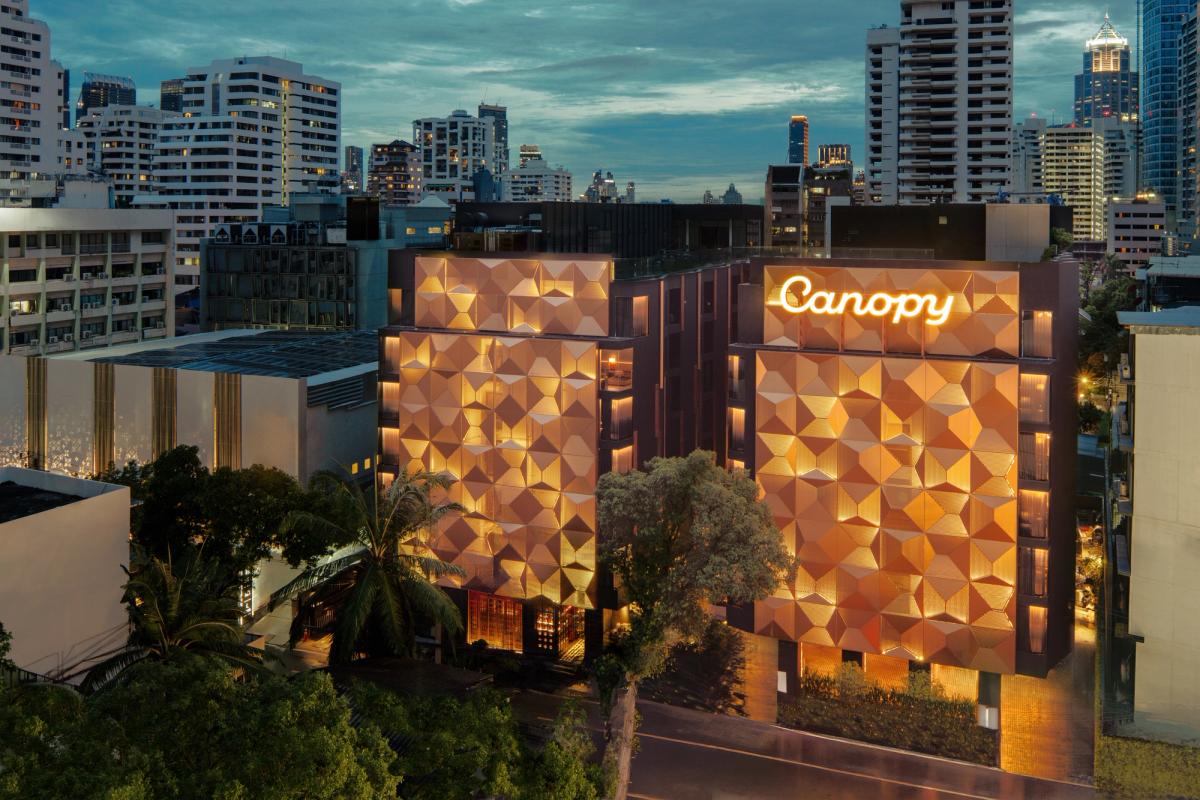
As of August 1, 2026, Hilton has officially opened the doors to Canopy Bangkok Sukhumvit, marking the Southeast Asian debut of its lifestyle brand, Canopy Hotels. Situated less than a 10-minute walk from the Asoke BTS Skytrain and Sukhumvit MRT station on Sukhumvit Soi 12 catercorner from the bustling SW1 night market, the new property promises to immerse guests in a blend of local culture, dynamic culinary offerings, and curated community experiences.
However, it is the property's visually narrative-driven design that takes center stage as it strikingly highlights a lesser-known historical chapter of Bangkok's famed Asoke district.
Cinematic inspirations
The public spaces at Canopy Bangkok Sukhumvit, including the welcoming lobby and its vibrant restaurants, were meticulously designed by the acclaimed international studio AvroKO, which also worked on hotels like the Shangri-La Kunming, Six Senses London and W Prague as well as the Canopy by Hilton Philadelphia Center City.
The design team drew deep inspiration from the multifaceted layers of the Asoke neighborhood, paying special homage to the area's industrial roots and the historic glamour of the nearby Sri Krung Sound Film Studio, recognized as one of Thailand's pioneering sound-film studios, which once existed around the corner.
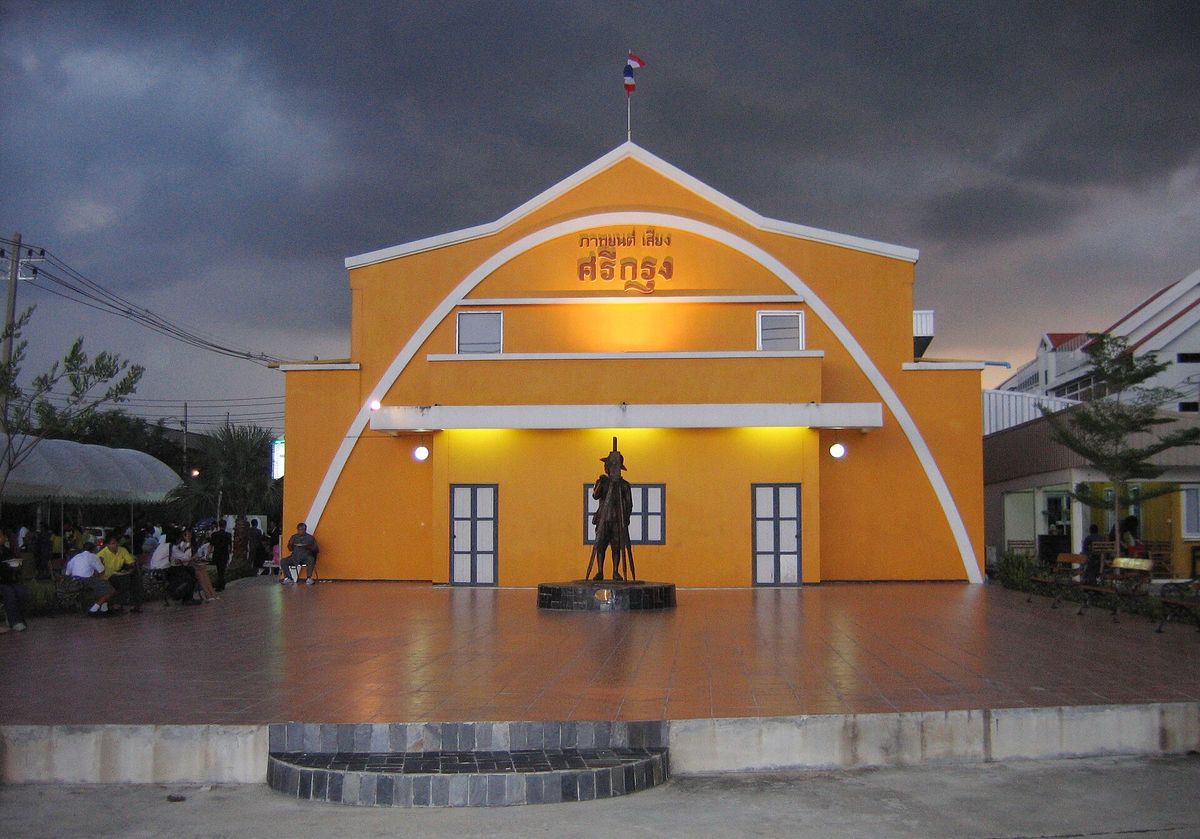
The Thai Film Museum of the Thai Film Archive is a replica of the Srikrung Sound Film Studio. (Photo Credit: Wikipedia)
Once upon a time, Sri Krung Sound Film, also known as Srikrung Film, was a pioneering Thai film production and distribution company active between 1932 and 1942.
Founded by the Wasuwat brothers and led by Manit Wasuwat, the company was a major driving force in the early days of the country's cinema industry, introducing numerous innovations and new ideas.
Before fully entering the film business, the Wasuwat family managed cinemas and ran a successful printing and newspaper enterprise. Their film company's iconic logo featured the pagoda of Wat Arun surrounded by a strip of film.
The studio achieved significant historical milestones by producing Thailand's first-ever sound film, Long Thang, in 1932, and later establishing the country's first international-standard sound film studio in 1935.
Located in the Asoke area of Bangkok, this state-of-the-art facility was so prominent that it earned the nickname "the Hollywood of Siam." However, the outbreak of World War II severely disrupted operations, ultimately leading to the studio's closure in 1942.
Today, nearly all of the roughly 20 films produced by the Wasuwat brothers are considered lost to history, with only fragmented remnants of two films currently preserved by the Thai Film Archive.
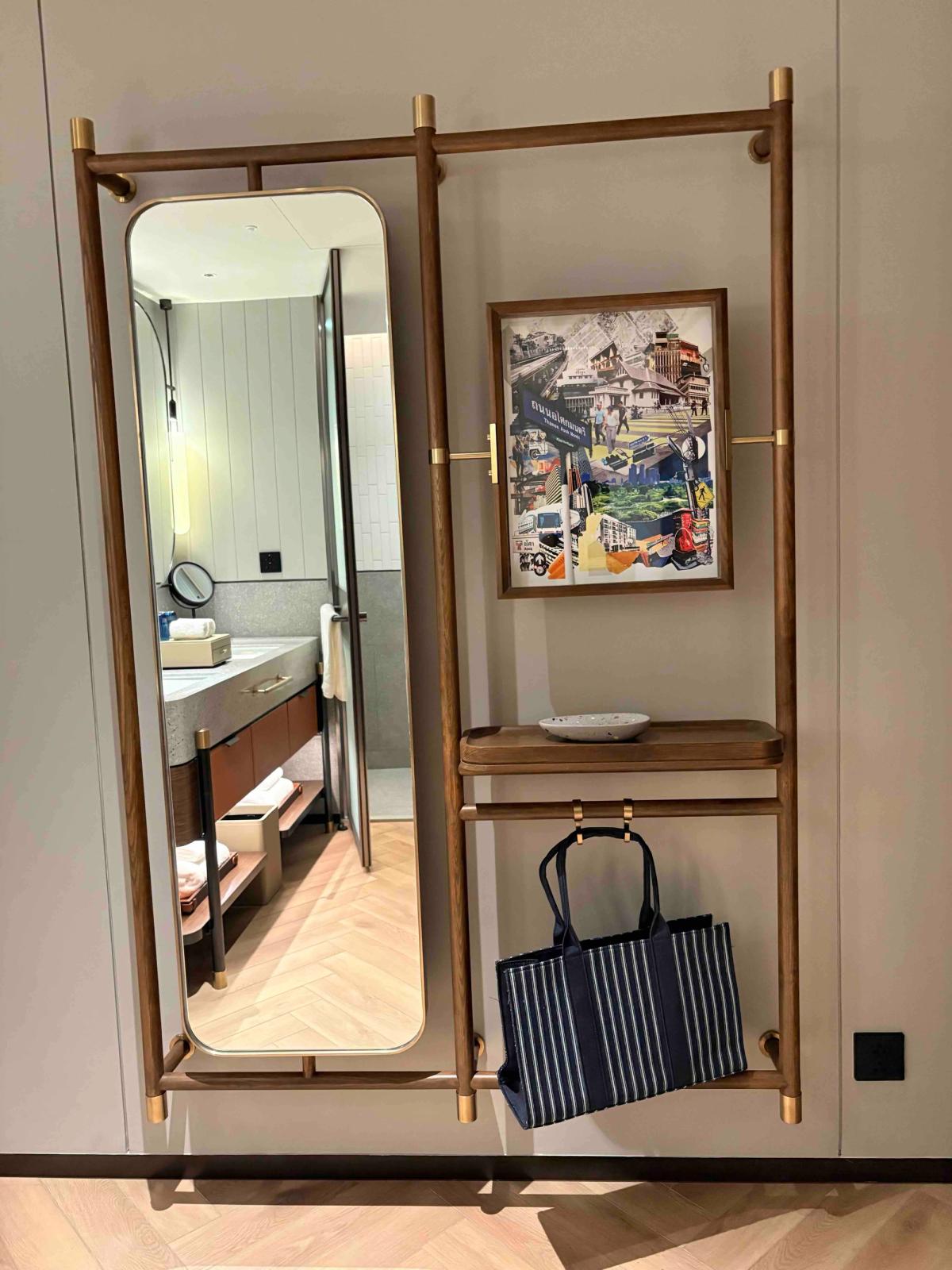
In-room hotel artwork pays homage to the history of Asoke Montri Road, one of Bangkok’s most iconic arteries
From canals to city-central
Before concrete and skyscrapers transformed the cityscape, Asoke was an integral part of Bangkok’s extensive khlong (canal) network when the city was widely recognized as the "Venice of the East." In the 19th and early 20th centuries, life in the area revolved around these waterways — most notably Khlong Saen Saeb at its northern terminus — which served as primary highways for agricultural trade, daily travel, and irrigation.
The surrounding land was dominated by tranquil orchards, agricultural plots, and wooden homes on stilts accessible mainly by boat. As Bangkok shifted toward road-based transportation during its mid-to-late 20th-century modernization wave, many of these smaller feeder canals were filled in or paved over to create paved thoroughfares for cars and buses, gradually shifting Asoke from a peaceful canal-side enclave into a modern vehicular corridor.
Asoke Montri Road (officially Thanon Asok Montri, and historically known as Sukhumvit Soi 21) is one of Bangkok’s most iconic arteries. Connecting Phetchaburi Road to Sukhumvit Road, the thoroughfare transformed from a quiet residential strip into one of Thailand’s premier financial, educational, and transit hubs.
The road owes its existence to Phra Asok Montri, a nobleman during the reign of King Rama VI (early 20th century). He purchased and donated personal land alongside neighboring landowners to build a connecting route between Sukhumvit and Phetchaburi roads.
For decades, the street was officially designated as Sukhumvit Soi 21 (popularly known as Soi Asok). In 2004, following a formal proposal by Srinakharinwirot University, Bangkok authorities officially renamed the stretch to Asok Montri Road in honor of its original benefactor.
The road is home to The Siam Society Under Royal Patronage (founded in 1904) and the Kamthieng House Museum, a 19th-century northern Thai teakwood house preserved amidst the modern skyline.
During the late 20th and early 21st centuries, Asoke Montri Road underwent rapid urban expansion.
The Asoke Intersection became the central interchange connecting the BTS Skytrain (Asok Station) with the MRT Underground (Sukhumvit Station), alongside nearby access to Makkasan Airport Rail Link and the Khlong Saen Saeb canal boat service.
The road evolved into a dense commercial corridor lined with corporate headquarters (such as media giant GMM Grammy, Exchange Tower, and Singha Complex), international embassies, luxury hotels, and landmark retail centers like Terminal 21.
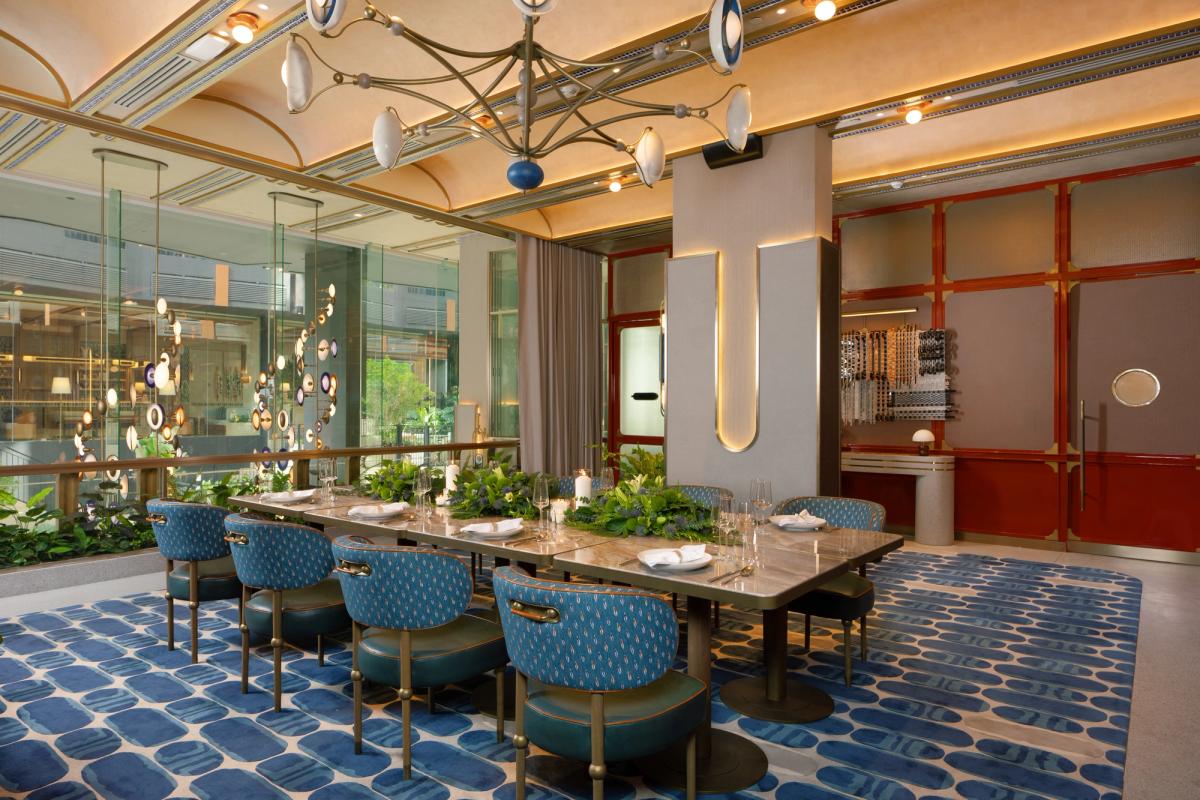
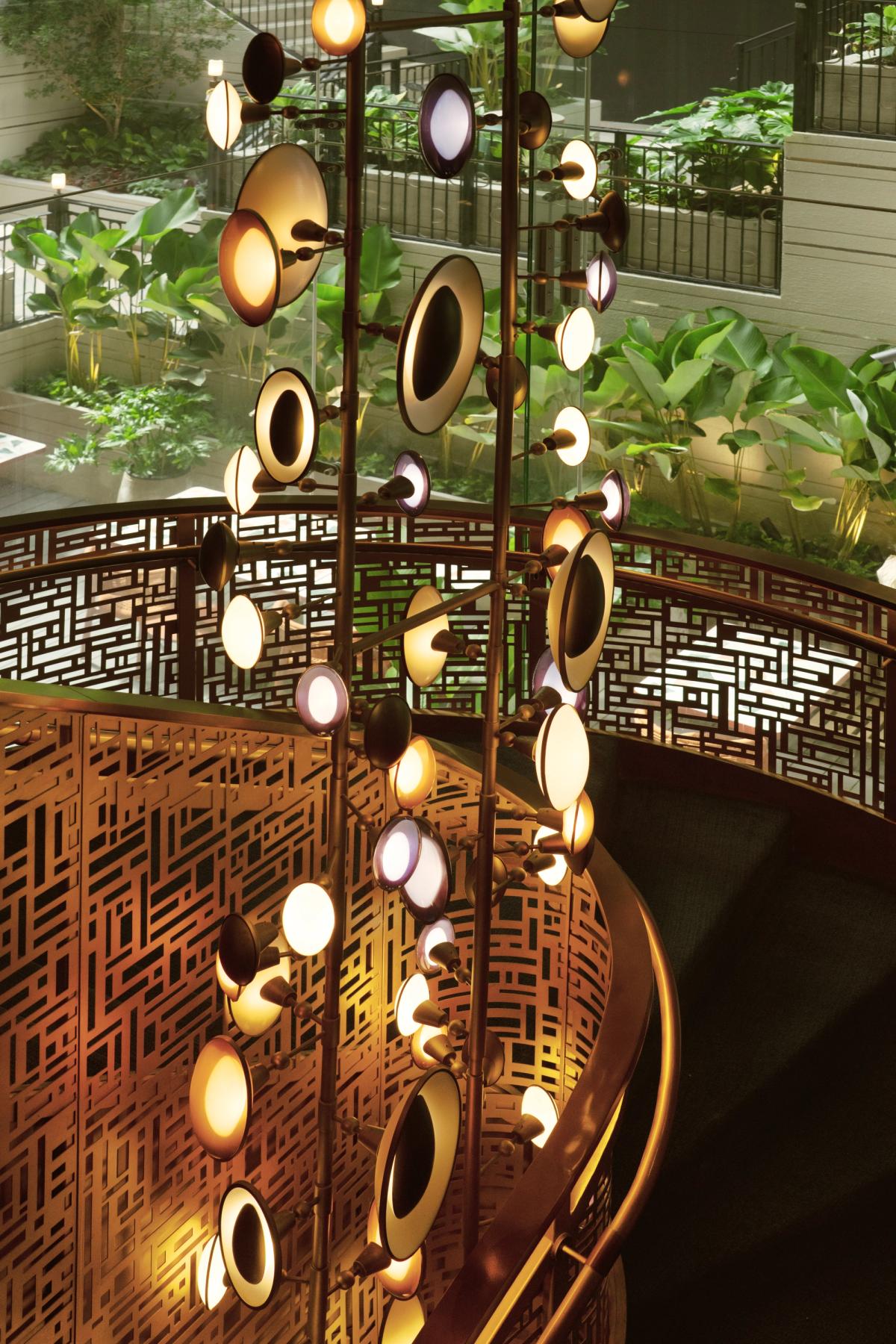
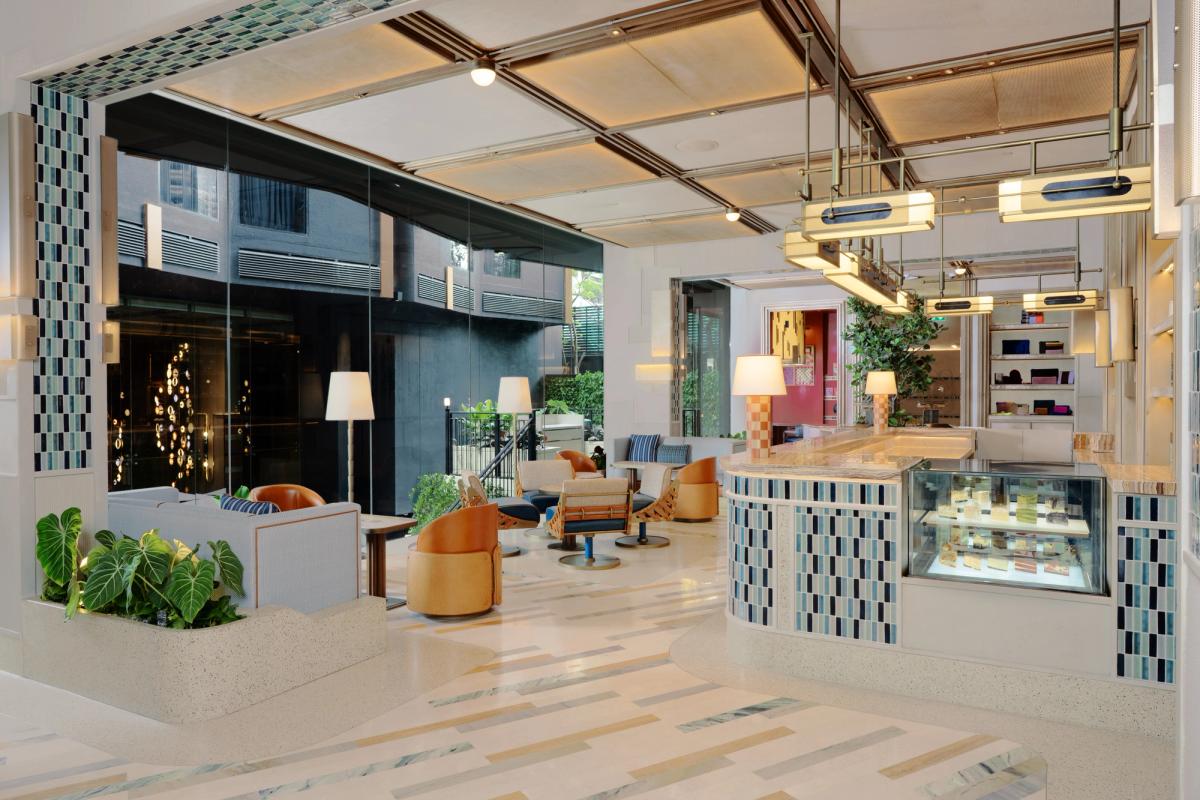
AvroKO successfully translated these historical references into a modern aesthetic across the hotel's arrival and social spaces. Notable design highlights include a stunning bronze façade that was directly inspired by the intricate mechanics of vintage film cameras and an oasis-like central courtyard that sweeps you instantly from the buzzing streets into a world of calm.
Carefully curated contrasting elements throughout the hotel represent the juxtaposition of old and new, a defining characteristic of modern Bangkok.
A residential sense of ease
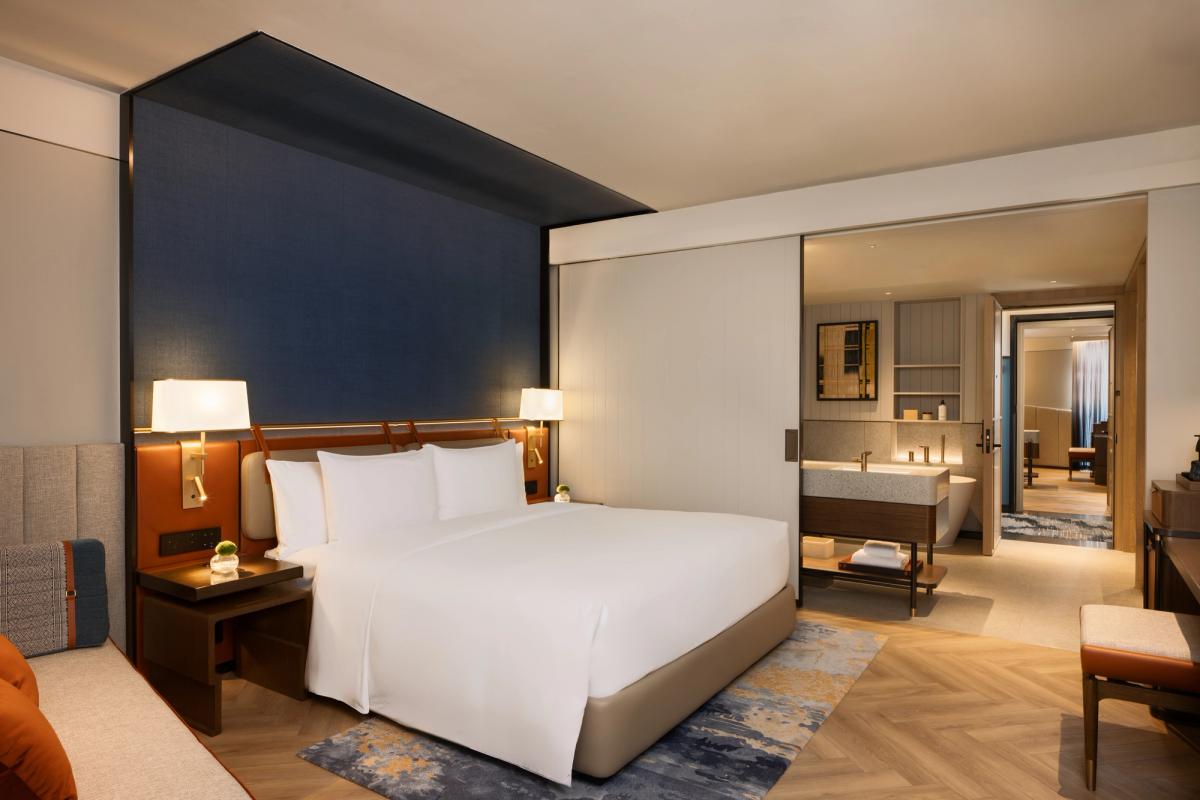
Beyond the public spaces, the 174-room boutique hotel serves as a comfortable retreat in the city. The guest rooms were designed to mirror the warmth and familiarity of traditional Thai family homes that were historically found along Sukhumvit Soi 12, reinterpreted through a contemporary lens.
Industrial-inspired finishes nod to Asoke's evolving urban character and the nearby Klong Toey port district, while softened edges, warm neutral materials, and curved forms provide a calm, residential ambiance.
A defining feature of the rooms is a signature blue canopy suspended over the beds, crafted from Paa Khram (ผ้าคราม) fabric, paying tribute to one of Thailand’s oldest handwoven textiles.
Dining and local connectivity
Fire-led cooking and bold flavors are championed across the hotel's four new dining and social venues.
- Cante: The signature restaurant bringing bold Spanish fire-grill cuisine to the city, helmed by executive chef Sandro Aguilera, formerly the executive chef owner of Latirra Contemporary Spanish Cuisine.
- SoolHaus: A fiesty, Korean-inspired late-night cocktail bar.
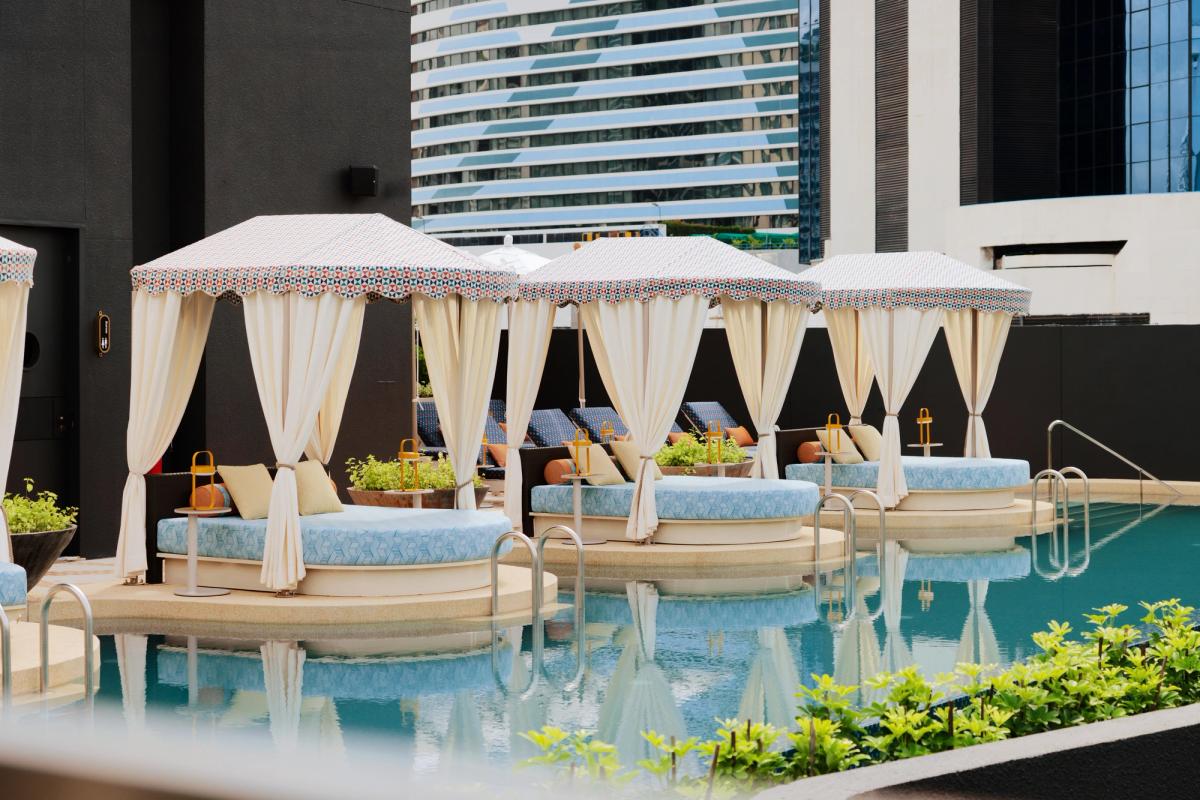
- Glint: A rooftop pool bar featuring craft cocktails, skyline views and canopied cabanas.
- Luso: An all-day café spotlighting locally roasted coffees and premium Thai teas from artisan producers.
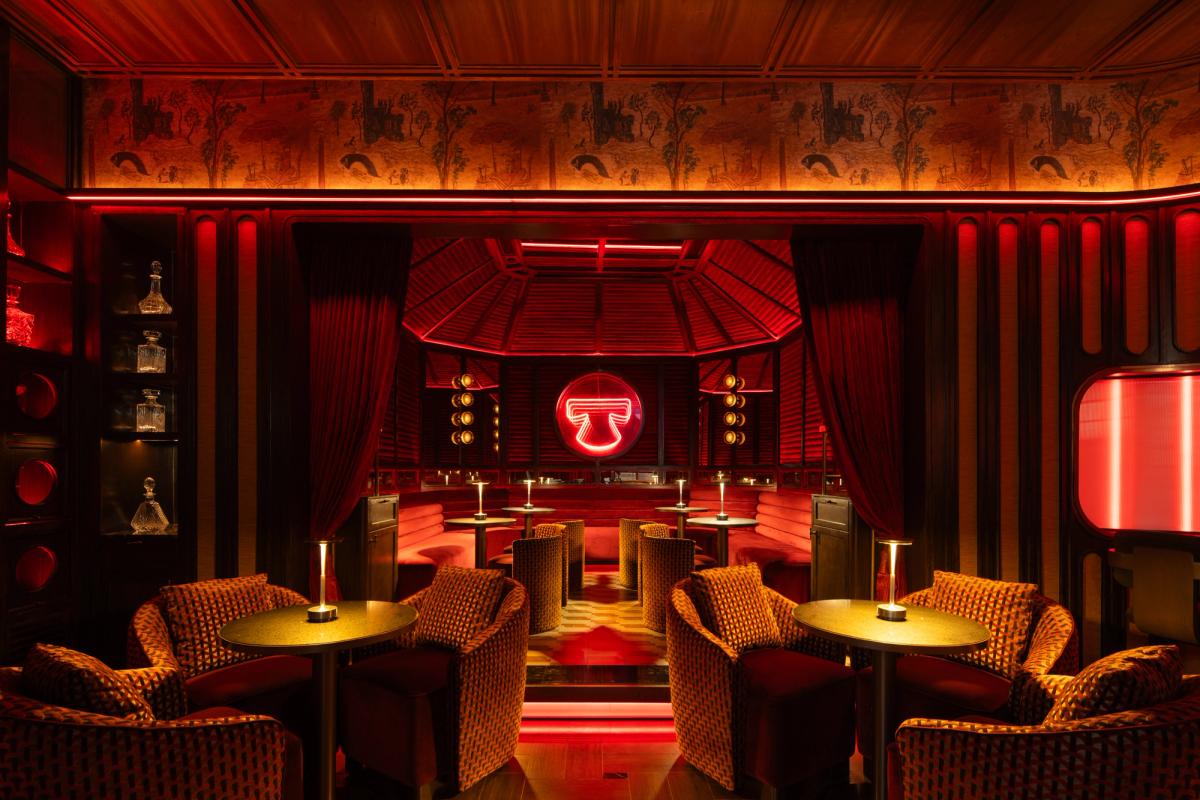
Korean-inspired late-night cocktail bar Soolhaus
The hotel also features two atmospheric meeting spaces.
Paying direct homage to the golden era of local film, Studio 1930 draws its inspiration from Asoke’s historic cinematic legacy. Designed with intentional flexibility, this 60-square-meter (645 sq. ft.) space transitions seamlessly from daytime strategic meetings to intimate evening receptions. The room is outfitted with an integrated Smart Display and supported by tailored gourmet menus, offering a polished backdrop that comfortably accommodates up to 30 guests in a theatre setting, 16 for boardroom discussions, or 12 in a classroom layout.
Meanwhile, the Andalusian Room — situated across from Cante — channels the sun-drenched spirit and tactile richness of Southern Spain, and introduces a distinct warmth to the hotel’s event portfolio. Spanning 80 square meters (860 sq. ft.), the space marries deeply layered textures and vibrant accents to create an atmosphere that feels at once energetic and invitingly intimate.
Versatile by nature, it serves as an ideal canvas for larger functions, hosting up to 60 guests for standing cocktail receptions, 36 in a classroom setup, 32 for formal seated banquets, or 24 in a U-shape arrangement, all elevated by customized culinary offerings.
To celebrate its debut, Canopy Bangkok Sukhumvit has launched an exclusive pre-opening offer for its first 100 guests. Those who book a minimum two-night stay in a Canopy Courtyard Room or a higher tier will receive:
- 10,000 Hilton Honors Bonus Points.
- A THB 500 dining credit valid across the hotel's bars and restaurants.
- An exclusive limited-edition Canopy x LalaLove pouch.
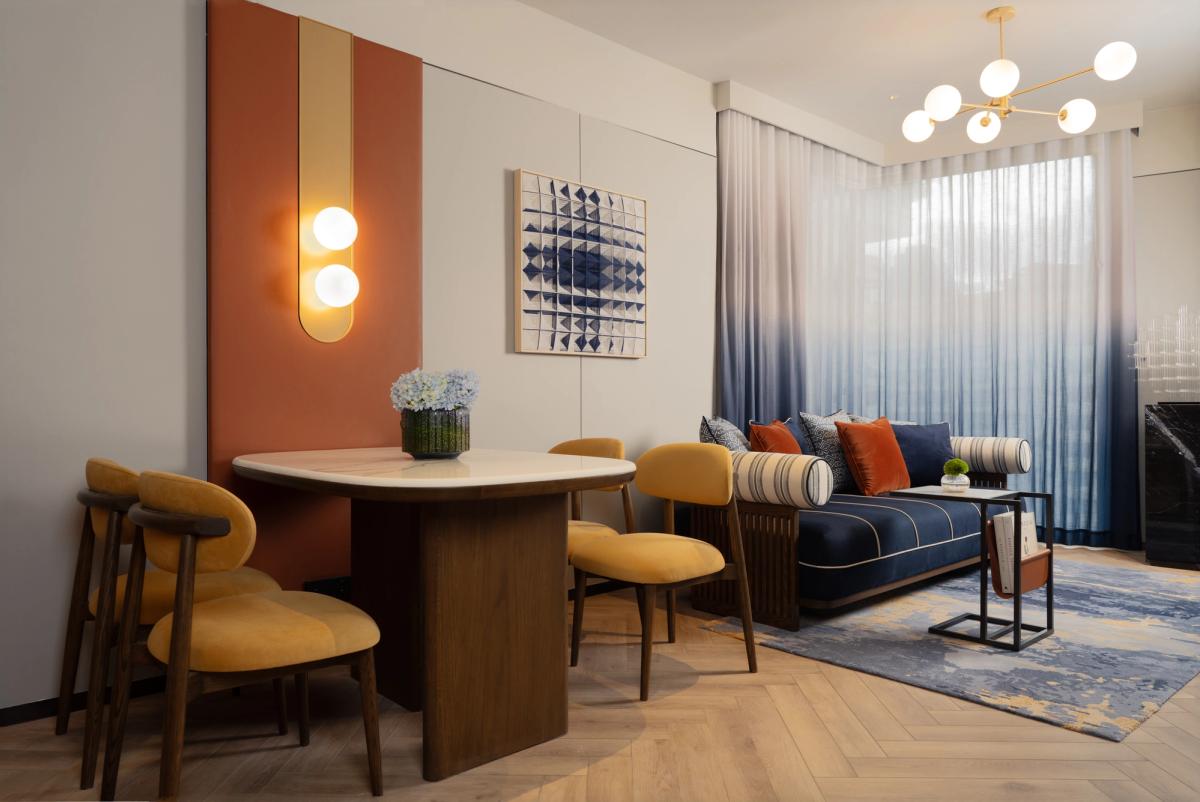
The Canopy Bangkok Asoke Suite
To further connect guests with the community, Canopy Bangkok Sukhumvit employs a dedicated City Curator who organizes local explorations. These curated activities range from Klong Saen Saeb Boat Experiences to Morning Neighbourhood Walks, alongside a creative keepsake program known as "Postcards from Asoke". The hotel has also partnered with the Bangkok-based lifestyle brand LalaLove to provide limited-edition merchandise that is hand-smocked by women in Thailand’s correctional rehabilitation program — where traditional craftsmanship creates skills, restores dignity, and offers a second change — and a dedicated retail showcase spotlighting local artisans.